

Nature
Mariapeel
Fens, heath and Dutch landrace goats in the old peat
The Mariapeel at a glance
20 minby car
16.5 kmdistance
- Managed by
- Staatsbosbeheer
- Start
- Koolweg 36a, 5759 PX Helenaveen
- Routes
- 2.8 km, 2.9 km and 4.5 km
- Area
- about 1,400 hectares
- Dogs
- welcome, on a lead
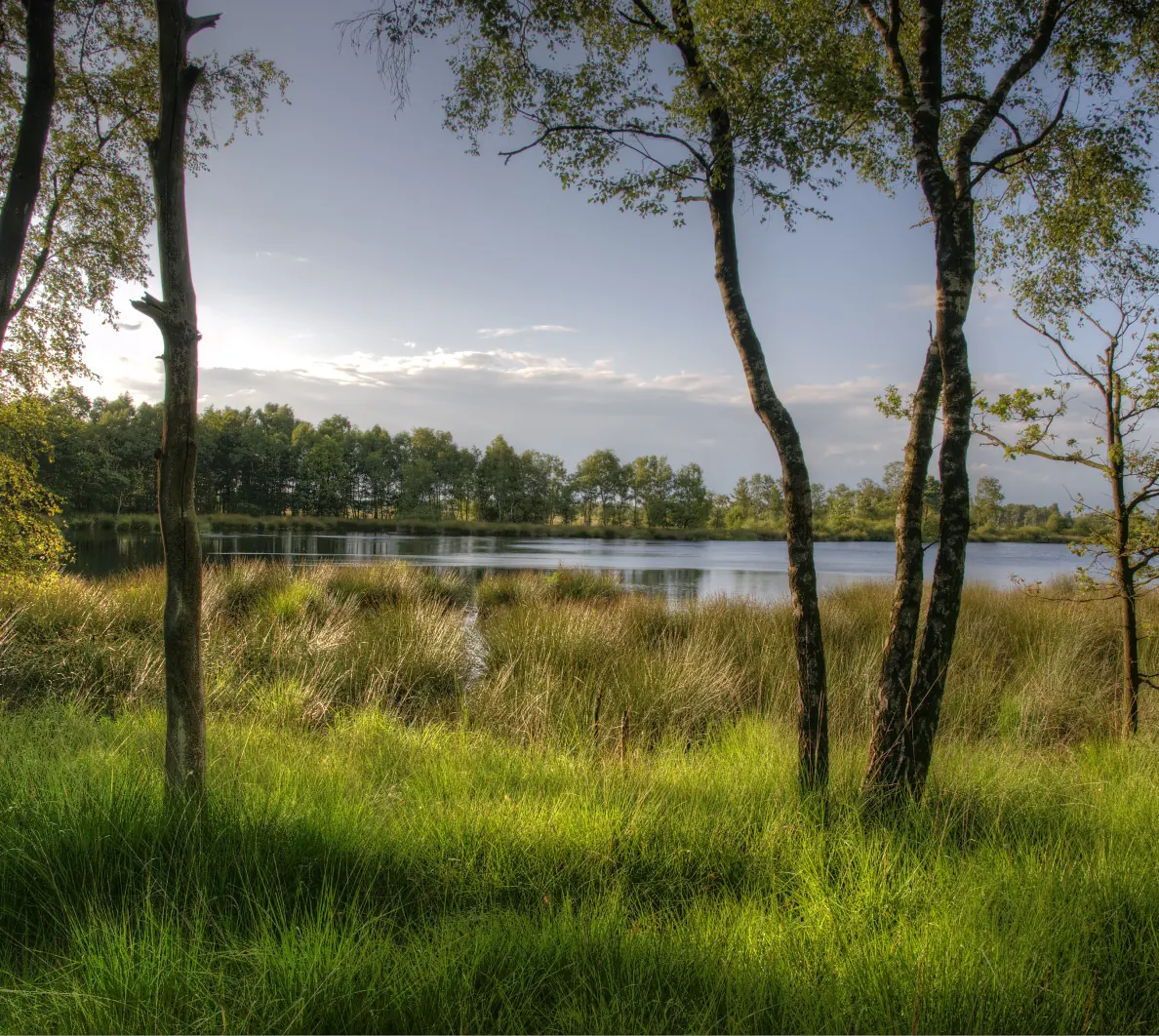
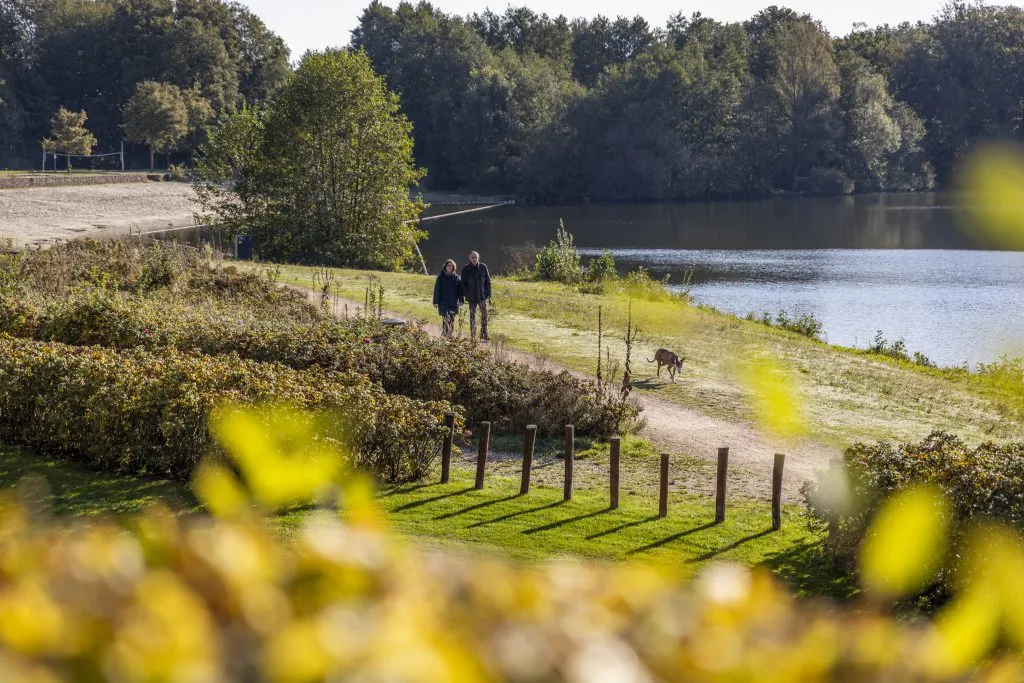
The Mariapeel, raised bog on the border
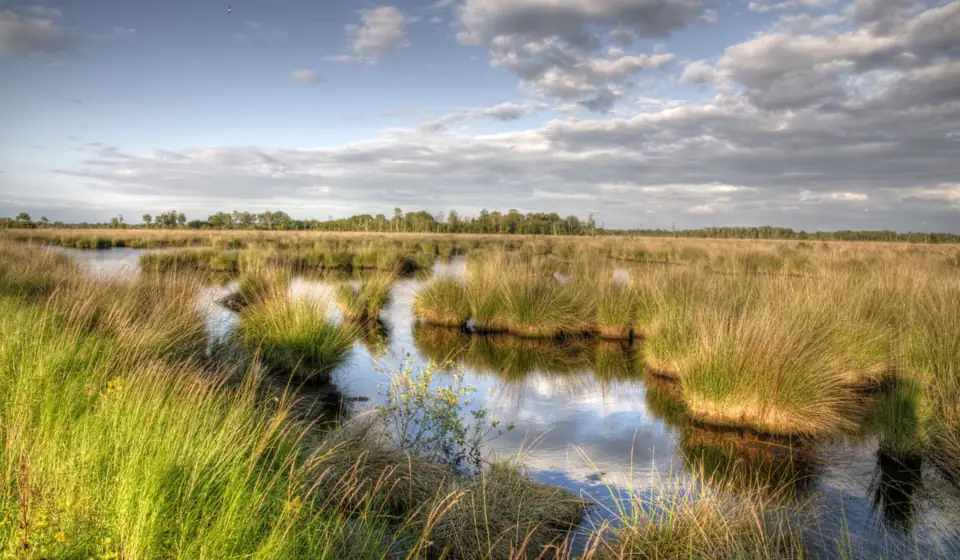
The Mariapeel is a raised bog of about 1,400 hectares in the municipality of Horst aan de Maas, managed by Staatsbosbeheer, the Dutch forestry service. It is part of De Pelen, the marshland on the border of Limburg and North Brabant, and together with the Deurnsche Peel on the Brabant side it forms a single Natura 2000 site of some 2,750 hectares.
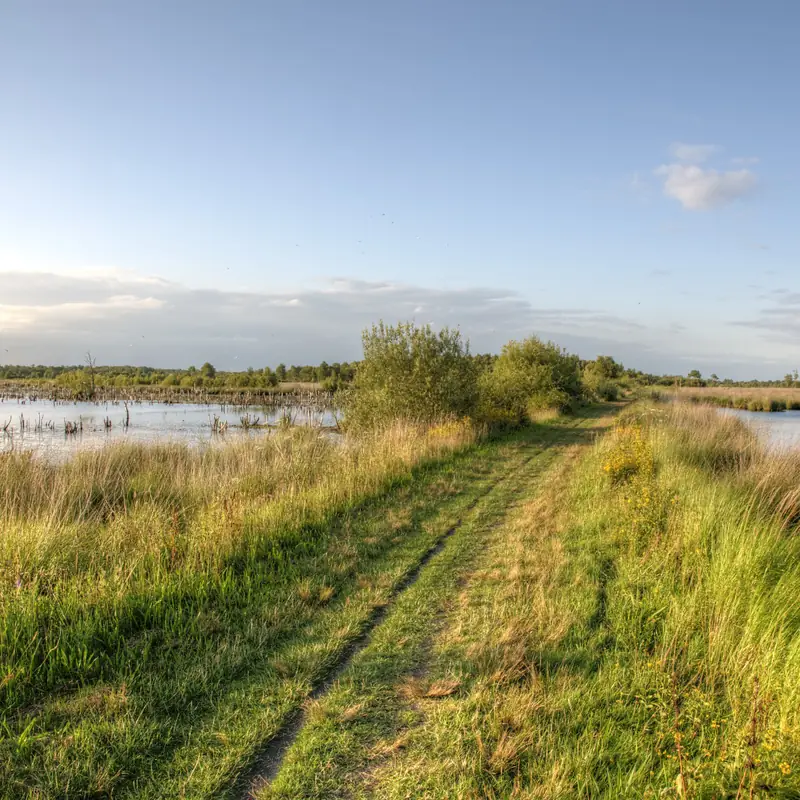
Here, peat was called the gold of the Peel. From around 1885, the bog was dug away systematically from Griendtsveen, with small canals laid out in the shape of a trident. What remained is a landscape of water, heath, sand ridges, birches and purple moor grass, in three parts: the Mariaveen, the Driehonderd Bunder and the Horster Driehoek.
Three routes from the Koolweg
The waymarked Staatsbosbeheer routes start at the car park of the Biologisch Station Mariapeel at Koolweg 36a in Helenaveen. The green route of 2.8 kilometres and the red one of 2.9 kilometres pass fens rich in birds and rolling heath. The yellow route of 4.5 kilometres runs through the coniferous and deciduous woodland of the Broemeerbos.
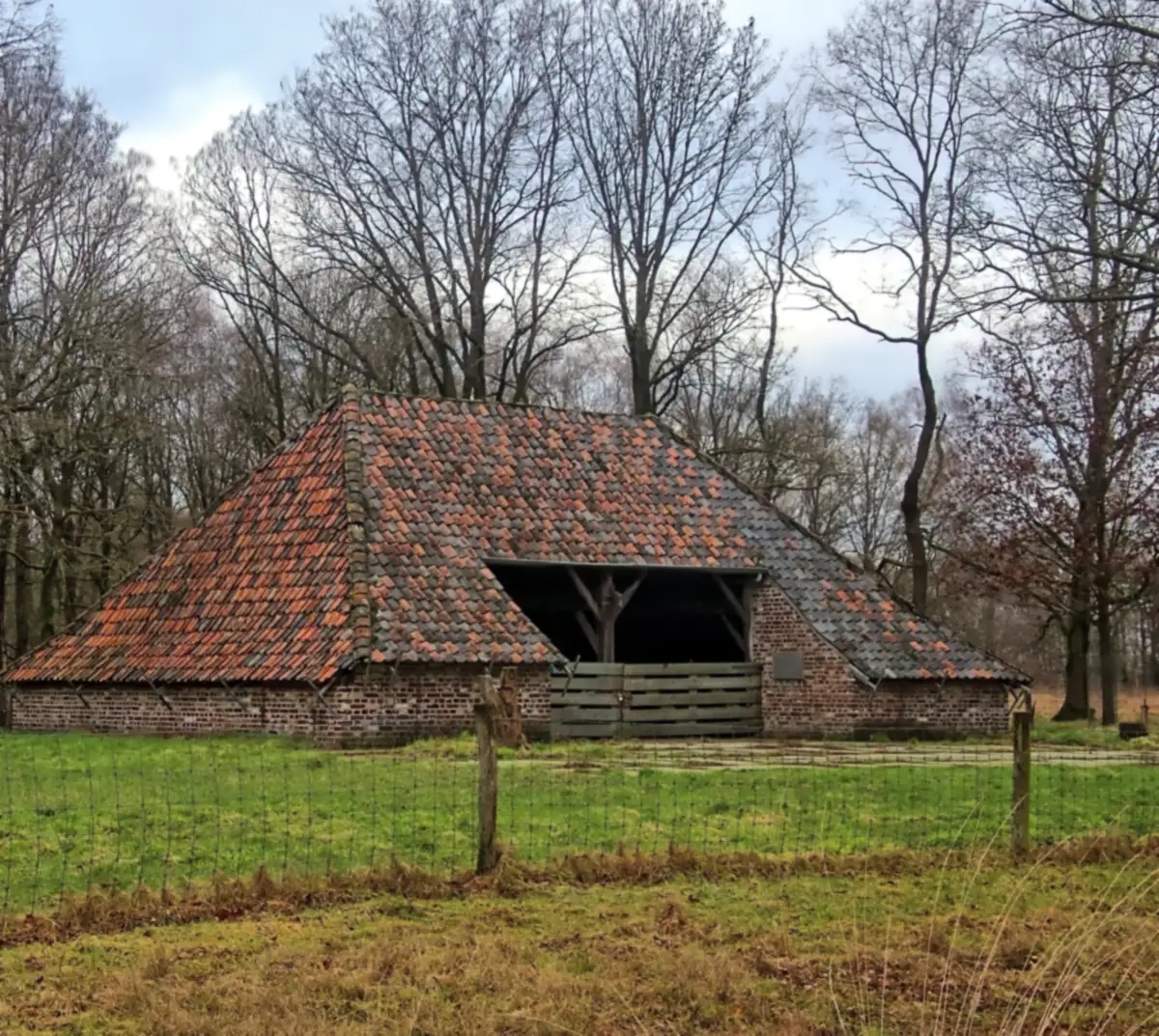
The heath is kept short by cattle and a herd of Dutch landrace goats. The Mariapeel is a recognised breeding station for this rare breed; the goats live in Paul’s Koie, a rebuilt sheepfold in the Mariaveen. Where the Soemeer and Broemeer lakes once lay, the border between Brabant and Limburg was drawn in 1716: a boundary post bearing Brabantia and Gelria still stands there.
Green Mariapeel walking route on staatsbosbeheer.nl (opens in a new tab)
Griendtsveen and the Helenavaart
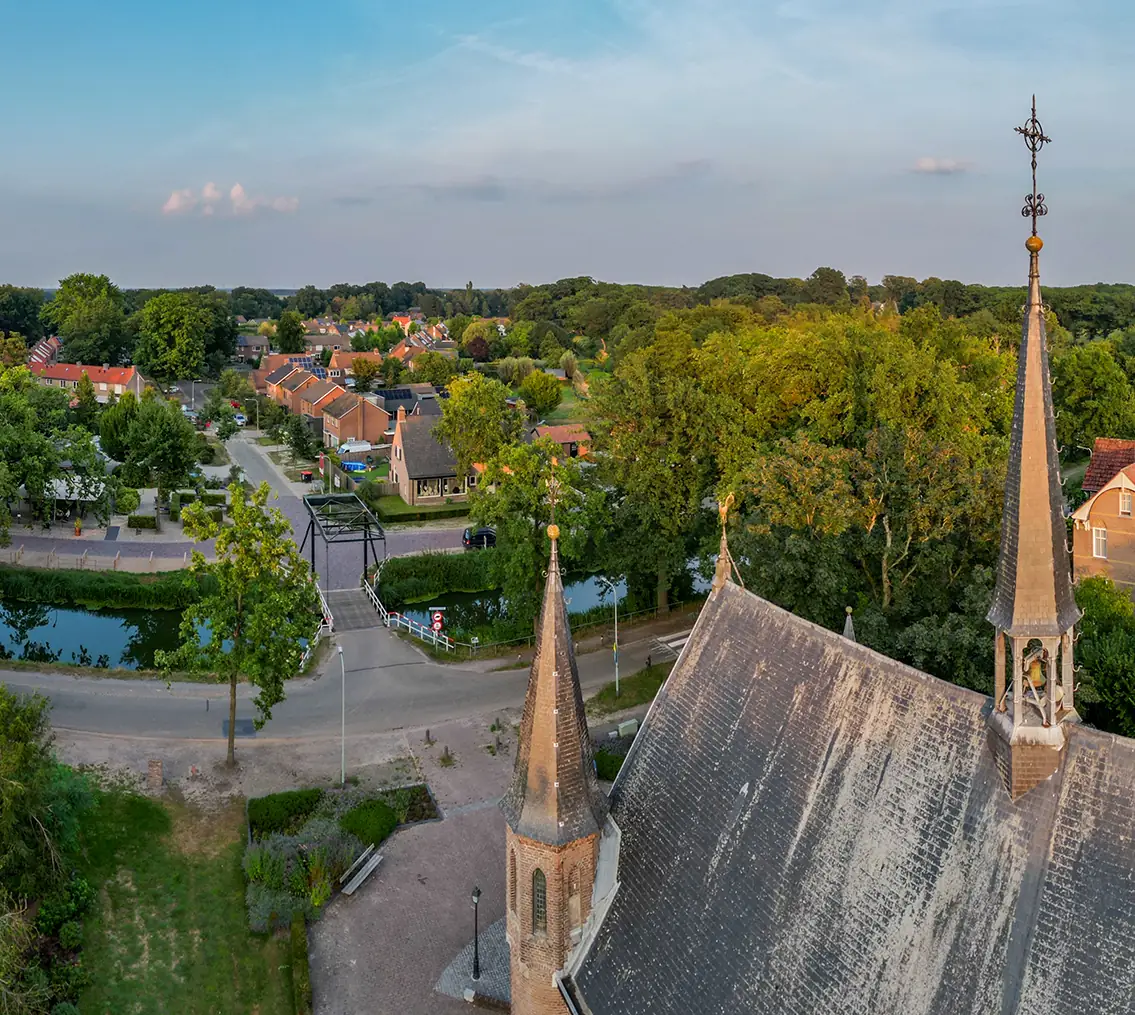
Along the Mariapeel runs the Helenavaart, a 15.7-kilometre canal dug between 1853 and 1880 to carry away the peat. Helenaveen was founded in 1853 by Jan van de Griendt and is named after his wife Helena; his sons Jozef and Eduard founded Griendtsveen around 1885. They are the only peat colonies in the south of the Netherlands, and both are protected village conservation areas.
In Griendtsveen you will find the neo-Gothic Sint-Barbarakerk from 1895 and iron lift bridges from 1895 and 1905 across the canal. When the Second World War broke out, the Peel became a military zone as part of the Peel-Raam Line: that is how the Mariapeel narrowly escaped being reclaimed. The Defensiekanaal on its eastern edge is still a reminder.
Tip from reception
Coming in spring? Then choose the yellow route through the Broemeerbos: it stays open during the breeding season, even when parts of the Mariapeel are closed. The red route past the goat shed is closed from late March to mid-May, when the goats are having their kids.
Reception team, Parkhotel Horst
Good to know
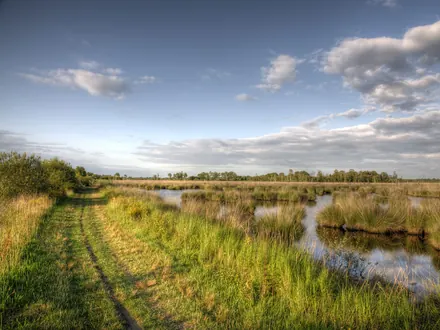 Three routesGreen 2.8 km and red 2.9 km past fens and heath, yellow 4.5 km through the Broemeerbos. All three start at Koolweg 36a.
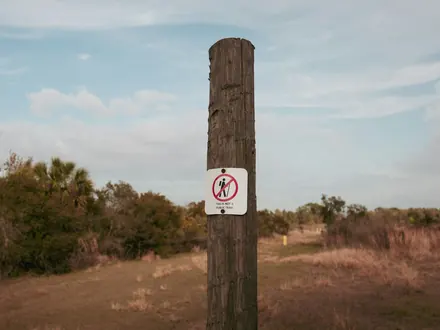 Sometimes closedDuring the breeding season and from mid-October to mid-March, parts of the Mariapeel are closed. The rules are on the signs at the entrance.
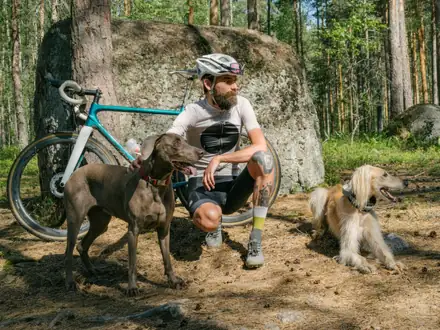 Dogs and bikesDogs are welcome on a lead. Cycling is allowed on some of the sandy paths in the Mariapeel; keep an eye on the signs.
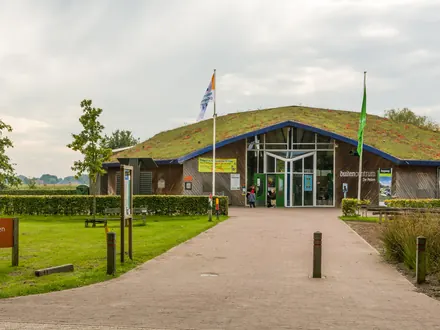 No visitor centreThe nearest is Buitencentrum De Pelen on the Moostdijk in Ospel, at De Groote Peel.
De Pelen photo: Tuxyso (CC BY-SA 3.0); via Wikimedia Commons. Sign photo: S. Jordan via Unsplash; dog and bike photo: Dmitrii Vaccinium via Unsplash.


Make a day of it
From the breakfast buffet to the quiet of the Mariapeel, and back to the wellness at your hotel.
-
Start the day at the breakfast buffet of Parkhotel Horst.
-
Twenty minutes to the Koolweg in Helenaveen, then walk the green route of 2.8 kilometres past fens and heath.
-
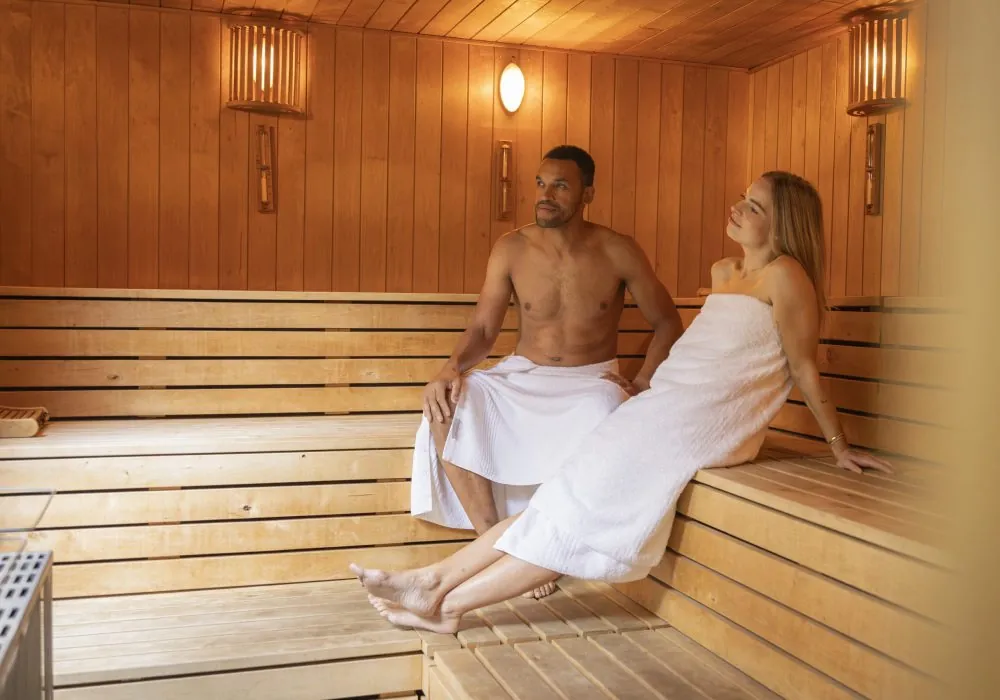
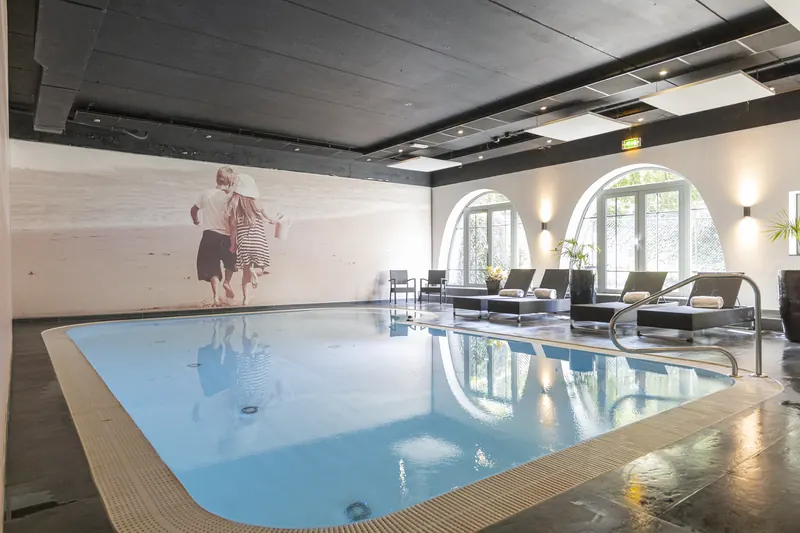
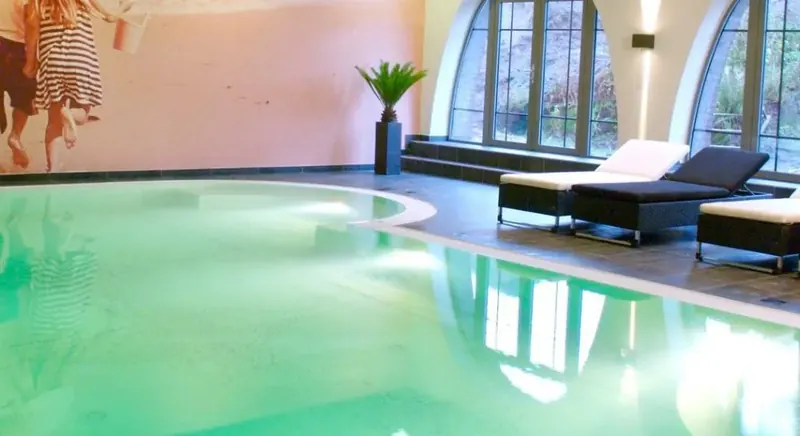
Back in Horst, the indoor pool, the saunas and the wellness lounge are waiting for you, free for hotel guests.
-
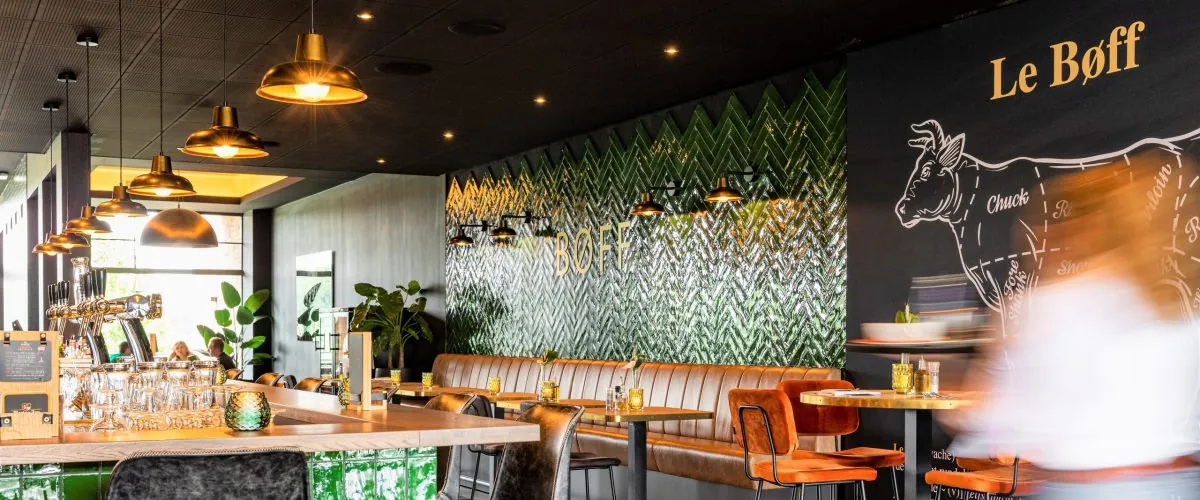
End the day with dinner at restaurant BØFF.
Hiking Package Limburg
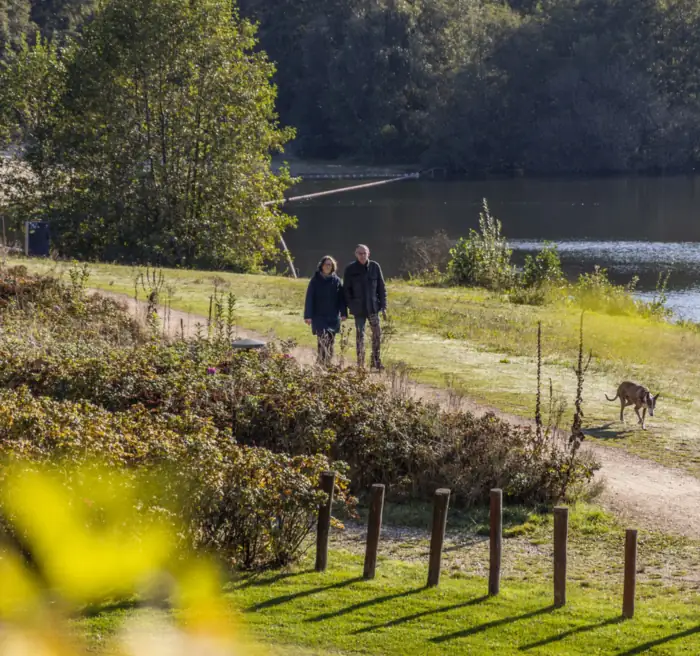
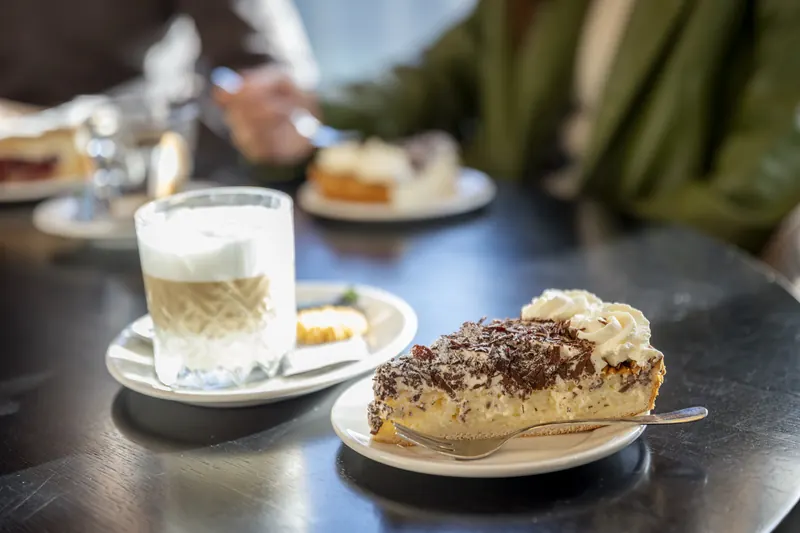
Straight from the hotel into the Kasteelse Bossen woods, with coffee and Limburg vlaai on arrival and a 3-course dinner of your choice

p.p. per night · based on 2 people in a Comfort room
The discount applies once per room per stay starting on a Sunday.
How to get there
From the hotel, it takes about:
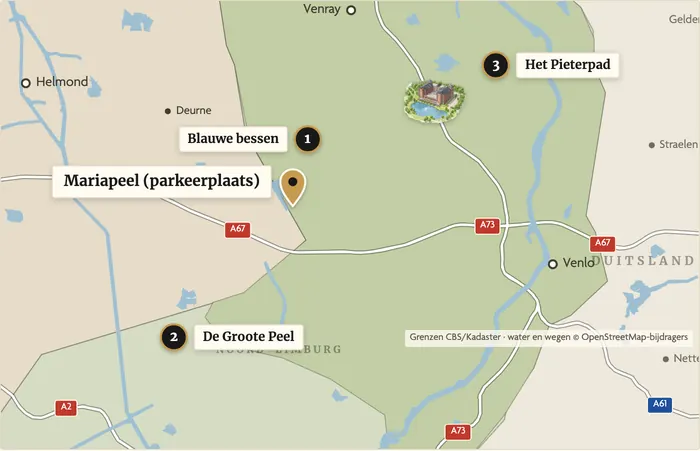
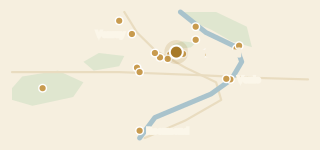
Biologisch Station Mariapeel, Koolweg 36a, 5759 PX Helenaveen
Frequently asked questions
Any other questions? Call reception: +31 77 397 6000Where do you start a walk in the Mariapeel?
At the car park of the Biologisch Station Mariapeel, Koolweg 36a in Helenaveen. The green, red and yellow Staatsbosbeheer routes start here. From Parkhotel Horst it takes about 20 minutes to drive there.
How long are the walking routes in the Mariapeel?
The green route is 2.8 kilometres and the red one 2.9 kilometres; both pass fens and heath. The yellow route through the Broemeerbos is 4.5 kilometres and runs through coniferous and deciduous woodland.
Is the Mariapeel open all year round?
Not everywhere. During the breeding season parts are closed, including the through path across the Driehonderd Bunder; the route in the Broemeerbos stays open. During bird migration and in winter, from mid-October to mid-March, parts may be closed again. The red route is closed from late March to mid-May. Follow the signs at the entrance.
Can I bring my dog, and can I cycle there?
Dogs are welcome, provided they are on a lead. Cycling is allowed on some of the sandy paths in the Mariapeel; keep an eye on the signs in the area.
Is there a visitor centre in the Mariapeel?
No. The nearest is Buitencentrum De Pelen at Moostdijk 15 in Ospel, at De Groote Peel National Park.
What is the difference with De Groote Peel?
Both are part of Staatsbosbeheer’s De Pelen. De Groote Peel has been a national park of more than 1,300 hectares since 1993, with Buitencentrum De Pelen in Ospel. The Mariapeel covers about 1,400 hectares, has no visitor centre and lies in the municipality of Horst aan de Maas. More about De Groote Peel.
More in Nature
See all days out in Nature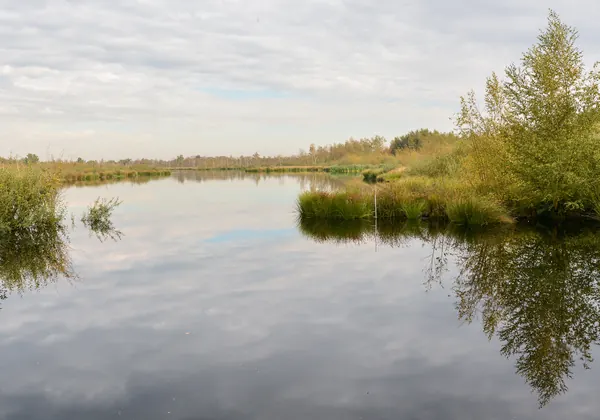
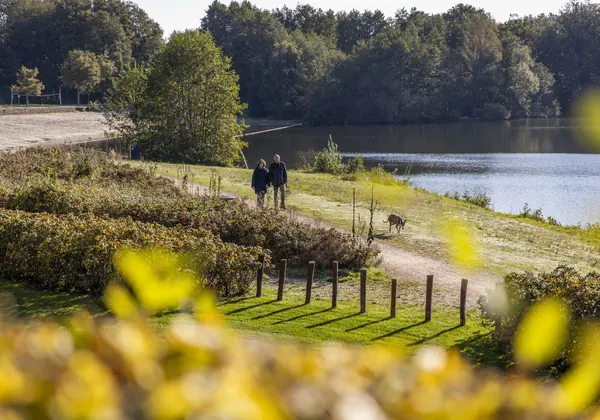
Photos (More in Nature): Sander van der Wel (CC BY-SA 2.0); Tuxyso (CC BY-SA 3.0); via Wikimedia Commons.
Photos: Aat van den Heuvel (1, 2, 3, 4; CC BY 3.0); Huub Janssen (CC BY 2.0); L Janssen (CC BY-SA 4.0); via Wikimedia Commons.
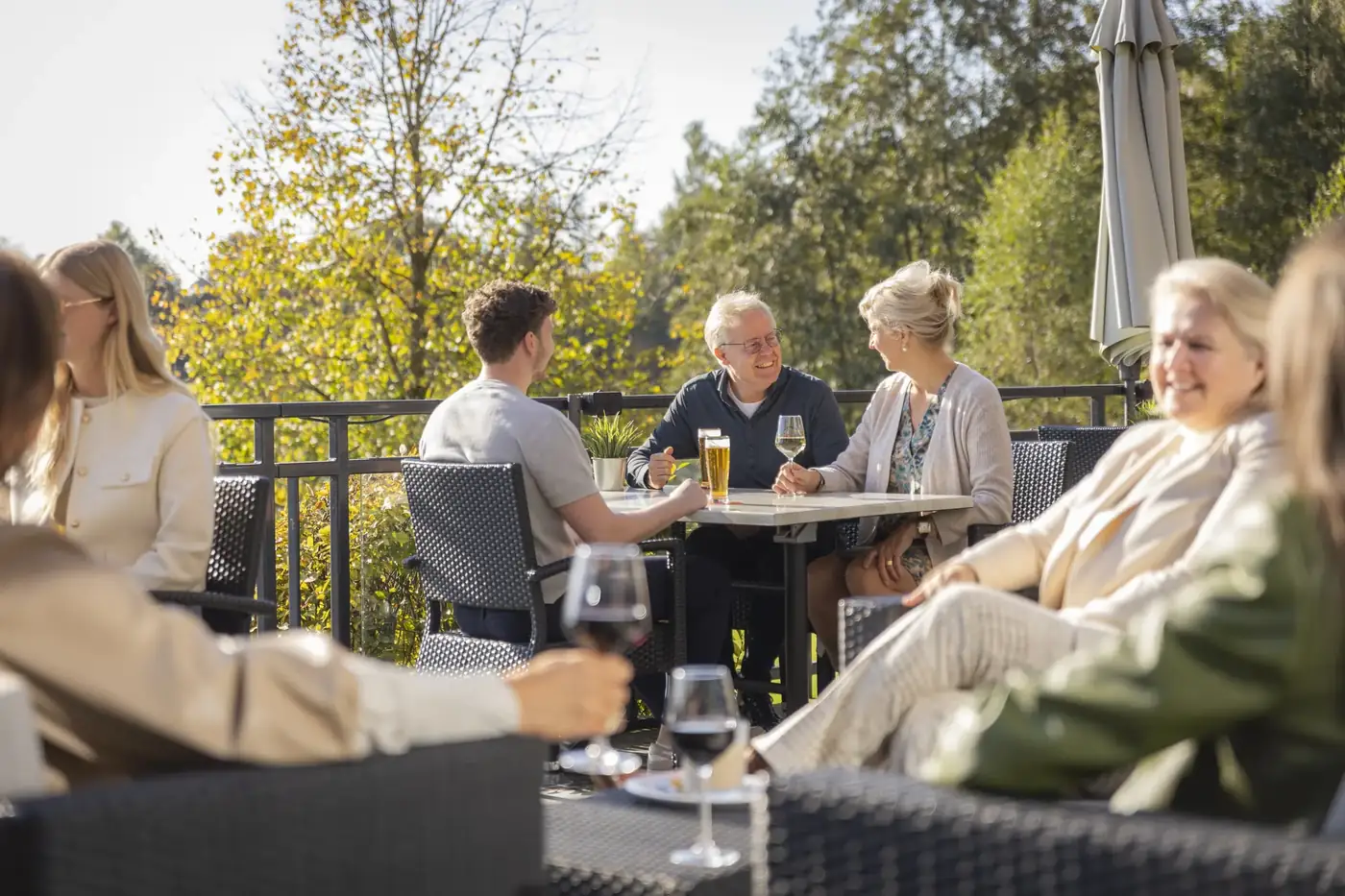
After the Mariapeel: pool, wellness and dinner at BØFF
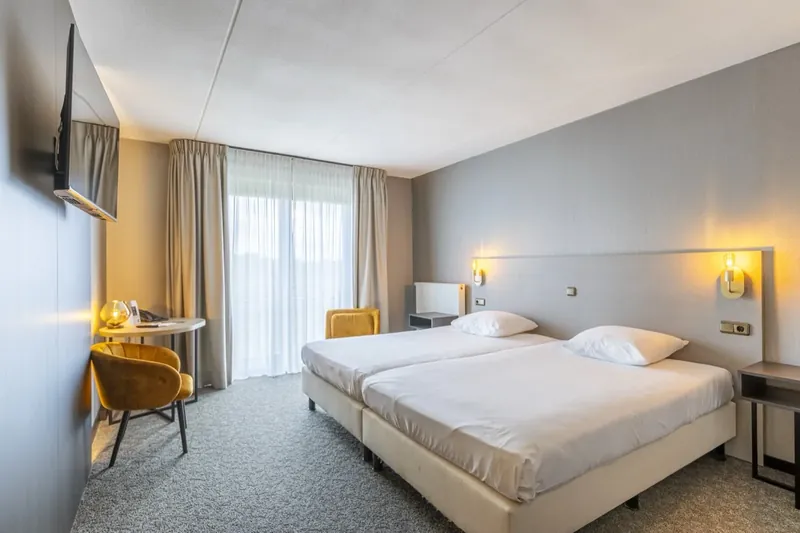
Twenty minutes from the peat, you sleep surrounded by greenery, with wellness under the same roof.